Make recovery part of enjoying padel for years
Recovery helps padel fit sustainably into everyday life. Enough sleep, regular meals and fluids, and time between demanding sessions support a balanced rhythm. Feeling good deserves a place in your week alongside the next match.
That balance matters when you want to stay active over the years: it leaves room for regular movement and for enjoying it. How much rest you need depends on intensity, familiarity and how you feel. Leave flexibility in your plans and get to know your own rhythm.
On a padel vacation, coaching can be followed by an unhurried afternoon by the pool or outdoors. On a workation, court time, focused work and free hours share the day. Make recovery as intentional as playing.
After the match: settle down before making plans
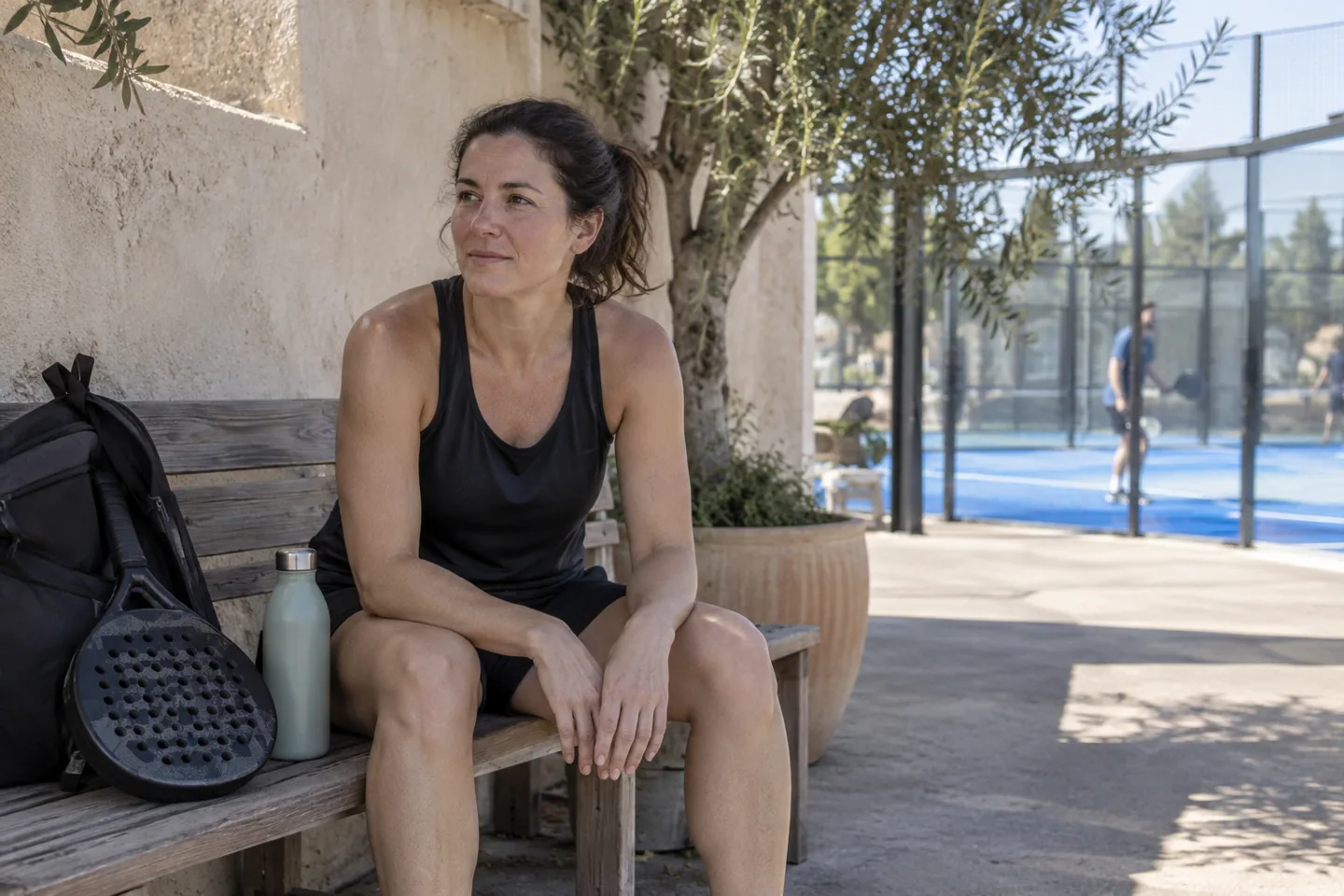
Let the match wind down pleasantly: a few quiet minutes, dry clothes and somewhere in the shade. You might take a short walk or stay for a chat with the group. Gentle movement is an option if it feels good, and simply resting is equally welcome.
Make time to drink, especially after a warm session with plenty of sweating. A fixed number of litres will not suit every person or situation. A normal meal also matters more than finding a special product: plan something you tolerate well, including carbohydrates, a protein source and other foods that suit you.
You do not need a supplement package for these basics. Medical conditions, dietary restrictions or specific performance goals call for individual advice from suitable professionals.
Your next booking is not the first decision
Consider what else is happening before bedtime. A long dinner, late social plans and an early work start can fill the remaining hours surprisingly quickly. An optional match is allowed to remain optional.
Good sleep belongs in your padel week
Travel often changes your schedule and surroundings. Late matches, unfamiliar heat and early flights can shorten your usual night. Allow a quieter transition to bedtime and a reasonably consistent routine instead of stretching every evening.
The expert consensus on sleep in athletes emphasises adequate opportunities to sleep and individual needs. For your trip, that means leaving time to wind down and protecting enough space for your usual night’s rest.
If you enjoy a leisurely breakfast on holiday, the first court booking need not be early every day. On a workation, place sport where it will not undermine either sleep or a dependable start to work.
Look at the whole picture the following morning
Mild soreness after unfamiliar movement is different from localised pain, swelling or restricted movement. Do not try to diagnose the difference using an online plan.
Persistent or worsening symptoms call for a break and professional assessment. Severe acute symptoms, chest pain, fainting or unusual breathlessness need prompt medical help. A training plan is not the right basis for those decisions.
If you otherwise feel well, gentle technique practice, a walk or a free morning can be a lovely part of the day. Variety lets you explore the balance of activity and rest that suits you.
| Situation | A planning idea, not a diagnosis |
|---|---|
| A long match day and little sleep | Do not force in another hard block; make space for downtime. |
| Unfamiliar shots but otherwise feeling well | Keep the amount manageable and practise controlled movements next time. |
| Pain, swelling or reduced function | Pause and seek professional assessment, not clearance from a planner. |
| The group wants to keep playing but you need rest | A clear no is an ordinary choice, not leaving the group. |
Find a rhythm of play and recovery
A good padel week has different tempos. More demanding matches can sit alongside calm technique sessions, outings and free afternoons. Include travel and work in the picture so the schedule fits your energy.
The seven-day training plan offers ideas for combining technique, matches and breaks. The fitness guide adds movement away from the court. Choose a rhythm you would enjoy repeating.
Staying active also means taking the demands of play seriously. The padel injury review shows why symptoms deserve attention. Padel and health offers advice on a well-supported start and suitable playing conditions.
Play together and make time to unwind
Rest need not be silent or solitary. A shared meal or a walk can be a lovely part of the day. What matters is not joining every activity out of pressure. The guide to social connection on sport trips explores how a group can leave room for different needs.
For playing, time off and community, explore the padel vacation. For focused work and movement, choose a workation. Both give you room to discover your own rhythm. The longevity guide explores why regular movement, enjoyment and connection offer an appealing perspective for the years ahead.
Make space in your travel day
This planner only organises time. It does not decide whether you are medically ready to play.
Frequently asked questions
How long should I rest after padel?
There is no universal interval. The demands, your familiarity and how you feel matter. Symptoms require professional assessment rather than calendar-based clearance.
Does stretching prevent all soreness?
That promise is not justified. Gentle movement can feel pleasant, but cannot replace sleep or a suitable amount of activity.
Do I need ice baths or supplements?
They are not a requirement for a sensible recreational week. Start with opportunities to sleep, meals, fluids and a manageable amount of play.
What if the group keeps playing?
Say clearly that you are taking a break and arrange to meet for a meal or quieter activity. Joining a match should remain voluntary.
Notes
General information about movement and travel, not individual medical advice. Sources are linked alongside the relevant statements. Updated 13 October 2026.